Golden Wattle in Bloom
Arvind Singh
| 05-03-2026
 · Nature Team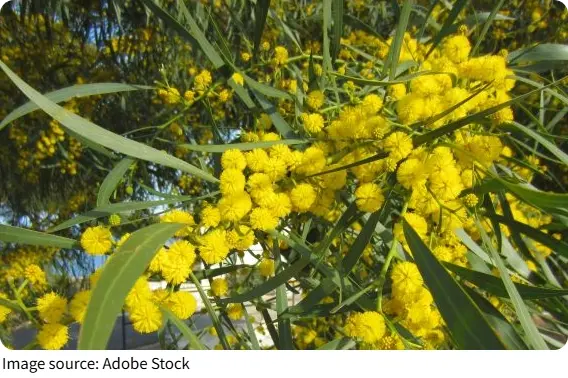
The first time you see a hillside washed in golden wattle, it almost looks as if sunlight has settled on the branches. Tiny yellow spheres cluster together so densely that leaves nearly disappear beneath them. The air carries a faint, sweet fragrance, subtle but unmistakable. It is not a loud or dramatic tree, yet when it blooms, it transforms the landscape completely.
Golden wattle, scientifically known as Acacia pycnantha, is far more than a decorative plant. It represents resilience, adaptation, and seasonal rhythm. Understanding this tree means looking closely at how it grows, where it thrives, and why its blossoms hold such meaning.
Botanical Characteristics
1. Distinctive flower structure
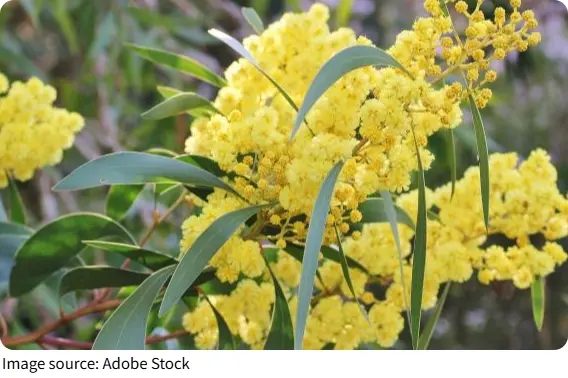
Golden wattle flowers are composed of small, spherical clusters called inflorescences. Each globe contains dozens of tiny stamens that create the fluffy appearance. The intense yellow color comes from natural plant pigments that attract pollinators such as bees.
2. Phyllodes instead of true leaves
What appear to be long, narrow leaves are actually phyllodes—flattened leaf stems that function like leaves. This adaptation reduces water loss and helps the tree survive in dry conditions. Phyllodes are typically 8–20 centimeters long and have a smooth, slightly curved shape.
3. Seasonal blooming cycle
Golden wattle generally flowers from late winter to early spring. Blooming can last several weeks depending on climate and rainfall. After flowering, seed pods develop, containing small black seeds attached to bright arils that attract birds.
Growing Conditions and Care
1. Sunlight requirements
Golden wattle thrives in full sun. At least six hours of direct sunlight daily supports strong flowering. Insufficient light may result in sparse blooms and elongated growth.
2. Soil preferences
This species adapts to a wide range of soils, including sandy or moderately poor soils. Well-drained soil is essential, as waterlogged roots can lead to decline. It tolerates slightly acidic to neutral pH levels.
3. Water and maintenance
Young trees require regular watering until established. Once mature, golden wattle is relatively drought-tolerant. Pruning lightly after flowering can maintain shape and encourage healthy branching, but heavy cutting should be avoided.
Ecological and Cultural Significance
1. Nitrogen fixation
Like many Acacia species, golden wattle forms symbiotic relationships with soil bacteria that fix atmospheric nitrogen. This enriches the surrounding soil, benefiting nearby plants and supporting ecosystem health.
2. Habitat value
The dense foliage provides shelter for small birds and insects. Its flowers supply nectar during a season when other blooms may be scarce, contributing to local biodiversity.
3. Symbolic importance
Golden wattle has been recognized as a floral emblem and is associated with unity and renewal. Its bright blossoms often mark seasonal celebrations and public events. The color gold has long symbolized warmth and optimism, qualities reflected in the tree's vibrant display.
Despite its delicate-looking flowers, golden wattle is remarkably hardy. It grows in challenging soils, withstands dry spells, and returns each year with a burst of color that feels almost celebratory. Standing beneath its branches during peak bloom, you notice how the smallest details—the texture of the phyllodes, the intricate flower clusters—combine to create something quietly magnificent.
Perhaps that is why golden wattle resonates so strongly. It does not demand attention year-round, but when its moment arrives, it fills the landscape with light. Taking the time to observe it closely reminds us that resilience and beauty often coexist in the most unassuming forms.