Fashion Photography Tips

Mason O'Donnell
| 06-03-2026
 · Photography Team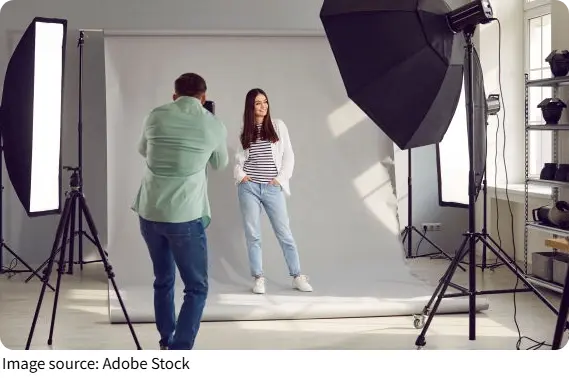
A model steps onto a sunlit street, the fabric of her dress catching the wind. A single click freezes the motion, but not every shot captures the essence of the moment.
Fashion photography is more than pointing a camera at stylish clothing—it's about translating energy, texture, and mood into a single frame.
Mastering this art requires understanding light, composition, and the subtle dynamics between model, outfit, and environment.
Mastering Light and Shadow
1.Natural light techniques
Outdoor shoots benefit from early morning or late afternoon light, often called the golden hour. The soft, angled light enhances textures and produces flattering skin tones. Photographers may use reflectors to fill shadows under the chin or eyes, ensuring details are visible without harsh contrasts.
2.Studio lighting setups
In controlled environments, softboxes, umbrellas, and ring lights provide consistent illumination. Key light defines the main subject, while fill light softens shadows. Backlighting can highlight fabric textures, hair strands, or movement, adding depth and dimension to images.
3.Playing with shadows
Shadows can create dramatic effects or add structure to compositions. Positioning the model near patterned light sources—such as blinds or textured surfaces—introduces visual interest without distracting from the outfit.
Composition and Framing
1.Rule of thirds
Placing the model along intersecting lines divides the frame naturally, drawing attention to key elements such as the outfit's focal details. Eyes or head expressions often align with top horizontal lines to engage viewers.
2.Leading lines and environment
Urban streets, staircases, or architectural elements guide the viewer's gaze toward the model. These lines emphasize posture, movement, and the relationship between clothing and setting.
3.Cropping and perspective
Changing the camera angle alters the impact of a photograph. Low-angle shots can elongate legs or highlight flowing garments, while overhead perspectives capture shapes, symmetry, or textures otherwise unnoticed.
Posing and Movement
1.Communication with the model
Clear direction ensures the model's movements complement the outfit. Subtle adjustments in posture, hand placement, or gaze convey emotion and confidence.
2.Capturing motion
Fashion often involves dynamic elements—skirts twirling, coats flaring, hair moving. Faster shutter speeds freeze action sharply, while slower speeds introduce motion blur for creative effect. Timing is crucial to catch the peak of movement.
3.Experimenting with angles
Tilting the camera slightly or shooting from unconventional perspectives adds energy and originality. Combining movement with varying angles creates memorable editorial imagery.
Highlighting Fashion Details
1.Focus on textures and fabrics
Close-up shots reveal embroidery, patterns, or material finishes. Macro lenses or selective focus can isolate details without losing context.
2.Color and contrast
Ensuring clothing colors appear true to life is vital. Background selection, lighting, and post-processing adjustments maintain vibrancy while avoiding oversaturation.
3.Accessories and styling
Bags, jewelry, hats, and footwear complement the outfit. Positioning these items effectively within the frame enhances visual storytelling without overwhelming the main subject.
Post-Processing and Final Touches
1.Color grading
Subtle adjustments unify tones, emphasize mood, and create a cohesive visual style. Maintaining realism while enhancing aesthetic appeal is key.
2.Cropping and retouching
Minor corrections—such as removing distractions or adjusting lines—polish the final image. Overediting can reduce authenticity, so restraint is essential.
3.Sequencing for storytelling
When presenting fashion spreads, arranging images in a narrative flow strengthens impact. Mixing close-ups with full-body shots communicates outfit details and overall style effectively.
Fashion photography is a dialogue between photographer, model, and clothing. It requires technical skill, artistic vision, and sensitivity to movement and light. Each frame is an opportunity to reveal personality, style, and emotion.
Next time you pick up a camera or watch a shoot, notice how light, angle, and timing transform ordinary garments into compelling visuals. Capturing fashion is about observing, experimenting, and refining until every photograph tells a story that goes beyond the clothing itself.