Tomato Benefits for Health

Ravish Kumar
| 15-10-2026
 · Food Team
Tomatoes are a versatile food that adds freshness, color, and nutritional value to everyday eating.
Although botanically classified as fruits, they are commonly prepared as vegetables and can fit easily into a wide range of meals.
Their nutritional profile includes essential vitamins and minerals, dietary fiber, water, and naturally occurring plant compounds. Enjoying tomatoes as part of a varied diet can contribute to overall nutritional quality without making meals complicated.
A Nutrient-Rich Everyday Food
Tomatoes provide vitamin C, potassium, folate, vitamin K, and dietary fiber. Vitamin C contributes to normal immune function and supports the maintenance of connective tissues. Potassium is important for normal muscle and nerve function, while folate contributes to normal cell division.
Their high water content also contributes to their light, refreshing character. Combined with their relatively low energy content, this makes tomatoes an easy choice for meals focused on variety and nutritional balance.

Lycopene and Natural Plant Compounds
One of the most distinctive compounds in tomatoes is lycopene, a carotenoid responsible for much of the red color in ripe varieties. Lycopene has antioxidant properties and has been extensively studied for its potential biological effects.
A review published in the Annual Review of Food Science and Technology explains: “Lycopene is a non-provitamin A carotenoid that is responsible for the red to pink colors seen in tomatoes, pink grapefruit, and other foods.”
Tomatoes also contain beta-carotene and lutein, along with other naturally occurring compounds. Beta-carotene can be converted by the body into vitamin A, while lutein is another carotenoid found in many plant foods.
These compounds contribute to the overall nutritional profile of tomatoes, but they should not be viewed as medicines or as guarantees against specific diseases.
Fresh and Cooked Tomatoes
Tomatoes can be enjoyed in both fresh and cooked forms. Fresh tomatoes provide a juicy texture and work well in salads, sandwiches, wraps, and grain-based meals.
Cooking and processing can change the availability of certain nutrients and plant compounds. Lycopene may be more readily absorbed from some cooked or processed tomato products, making tomato sauces, soups, and similar preparations useful additions to the diet.
Rather than choosing one form exclusively, incorporating tomatoes in different preparations can add variety to everyday meals.
Simple Ways to Enjoy Tomatoes
Tomatoes require little preparation and can be incorporated into meals throughout the day. Sliced tomatoes can complement toast or sandwiches, while chopped varieties can be added to salads, pasta, rice dishes, and vegetable-based meals.
Cherry tomatoes offer a convenient option for snacks or packed meals. Canned tomatoes can also provide a practical base for soups and sauces. When purchasing prepared products, checking the ingredient and nutrition labels can help you select options that match your dietary preferences.
Tomatoes Within a Balanced Diet
Healthy eating depends on dietary variety rather than any single food. Tomatoes can complement vegetables, fruits, whole grains, legumes, and other nutrient-rich foods, helping create meals with a broader range of nutrients and flavors.
Their versatility makes them particularly practical for everyday eating. They can contribute freshness to simple meals while also working as an ingredient in more substantial dishes.
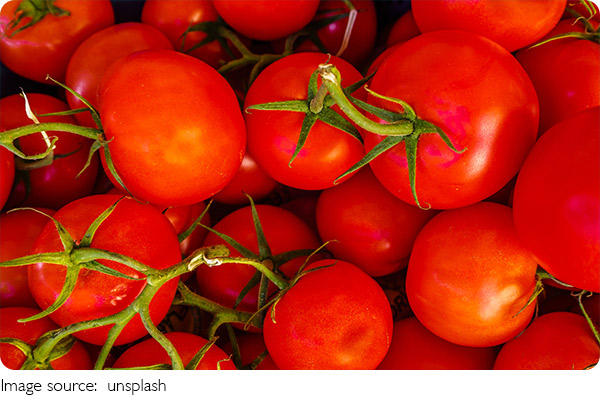
Tomatoes provide a useful combination of vitamins, minerals, fiber, water, and naturally occurring plant compounds such as lycopene. Their flexibility also makes them easy to include in fresh and cooked dishes.
By enjoying tomatoes alongside a diverse range of nutritious foods, you can add flavor, color, and nutritional variety to everyday meals without relying on any single ingredient for health.