Colorful Fruit Platter!

Mukesh Kumar
| 09-10-2026
 · Food Team
A well-made fruit platter can turn simple ingredients into an attractive centerpiece for breakfast, brunch, snacks, or gatherings. The secret is not complicated preparation but choosing fruits with different colors, shapes, textures, and levels of sweetness.
With a little thoughtful arrangement, ordinary fruit can look fresh, balanced, and ready to share.

Ingredients
1 medium watermelon
1 medium cantaloupe
2 kiwis
1 orange
1 cup strawberries
1 cup raspberries
1 cup blackberries
1 cup cherries
1 cup blueberries
½ cup mint leaves
2 tablespoons lemon juice
Preparation and Serving Time
Preparation time: 20–25 minutes
Serving time: Immediately after preparation
Instructions
1. Wash all fresh fruit thoroughly and dry it gently.
2. Cut the watermelon and cantaloupe into slices or bite-sized pieces.
3. Peel and slice the kiwis and orange.
4. Remove the stems from the strawberries and cut larger ones in half.
5. Arrange the larger fruit pieces around a large serving plate.
6. Add the berries and cherries between the larger pieces to fill open spaces.
7. Scatter mint leaves over the platter for a fresh finishing touch.
8. Drizzle the fruit lightly with lemon juice and serve.
Choose Fruits With Different Colors
A beautiful platter starts with variety. Instead of choosing several fruits with similar colors, combine bright and contrasting shades. Red strawberries and raspberries can sit alongside green kiwi, orange melon, dark berries, and pale watermelon.
Color is especially useful when arranging a large platter because it helps each section stand out. Place strongly colored fruits next to lighter ones rather than grouping everything of the same shade together. This creates a more balanced appearance without requiring complicated decoration.
Mix Textures and Shapes
Texture is just as important as color. Soft melon, juicy watermelon, firm kiwi, and delicate berries create a more interesting experience than using only one type of fruit.
Cutting styles can also make a difference. Melon can be sliced into wedges, cubes, or small shapes, while kiwi can be cut into rounds or half-moons. Strawberries can remain whole when small or be halved when larger.
Keeping some fruits whole and cutting others gives the platter a natural, varied look. Try not to cut everything into identical pieces. A little variation makes the arrangement appear more relaxed and inviting.
Arrange the Platter With Balance
Start by placing the largest pieces first. These create the foundation for the platter and help determine how much space remains for smaller fruit. From there, add medium-sized pieces before filling gaps with berries and cherries.
One simple method is to create small groups of different fruits rather than making separate sections for every variety. For example, place kiwi beside strawberries, then add berries nearby. This keeps the platter visually connected.
Leave a little space between some groups instead of covering every part of the plate. The open areas help individual fruits remain easy to see and make the entire arrangement look cleaner.
Keep the Fruit Fresh
Fruit is best prepared relatively close to serving time. Once cut, many fruits gradually lose their crisp texture or release juice. Keep prepared fruit chilled until the platter is ready to serve.
If preparing ahead, store cut fruits separately when possible. Particularly juicy fruits can make other ingredients wet if they sit together for too long. Assemble the platter shortly before serving for the freshest presentation.
Lemon juice can be lightly added to fruits that benefit from a little brightness. However, avoid using too much, as it can overpower the natural flavor of delicate fruit.
Simple Ways to Change It
The platter can easily be adapted to the season or whatever fruit is available. Pineapple, grapes, mango, peaches, pears, or apples can be used in place of some ingredients. Choose fruits at different stages of firmness so the finished platter has plenty of textural contrast.
For a more decorative presentation, use a large white plate or shallow serving tray. A simple surface allows the natural colors of the fruit to become the main focus.
For smaller gatherings, reduce the quantities while keeping several different colors and textures. For larger occasions, simply increase the amount of each fruit and use a wider serving dish.
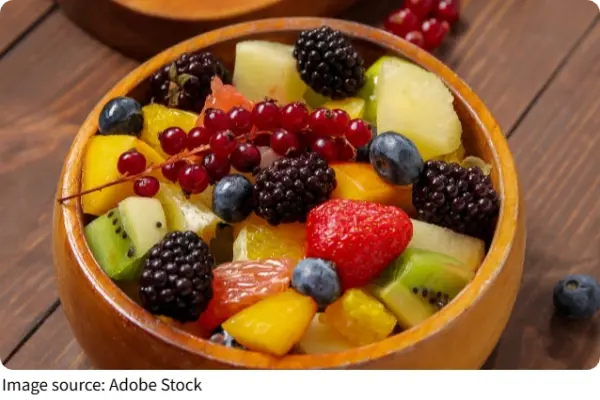
Making a fruit platter is mostly about thoughtful selection and simple presentation. A combination of colorful fruits, varied cuts, and contrasting textures can create an appealing centerpiece without complicated techniques.
Prepare the fruit carefully, arrange larger pieces first, fill the spaces with smaller fruits, and serve it while everything is fresh. The result is a simple platter that looks special while remaining easy to prepare.