Secret Life of Brown Bears!
Ravish Kumar
| 22-09-2026
 · Animal Team
Hey Lykkers! The brown bear, an iconic symbol of wilderness, is a fascinating creature with a life story that extends far beyond the stereotypical image of a lumbering giant.
From its behaviors and habitats to its role in ecosystems, the brown bear is a truly remarkable animal.
Here, we take a closer look at its life, exploring unique facts and scientific insights about this powerful mammal!
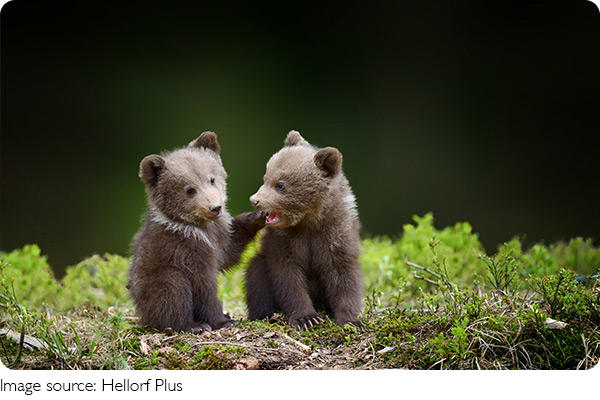
The Brown Bear’s Incredible Range and Habitat
Brown bears are among the most widely distributed bear species on the planet. Found across North America, Europe, and parts of Asia, their habitats span from the dense forests of Canada to the vast mountains in the tundra. Interestingly, brown bears are highly adaptable to various environments. While they prefer secluded areas with abundant food sources like berries, salmon, and small mammals, they can survive in coastal rain-forests or even the harsh arctic tundra. Their ability to thrive in diverse landscapes is a testament to their survival skills.
A Brown Bear’s Impressive Physical Strength
A brown bear’s physical prowess is one of the most remarkable aspects of its nature. These creatures can weigh up to 1,500 pounds, with males generally being larger than females. Their muscular builds and sharp claws allow them to move efficiently through their environment. This makes them swift and capable hunters when needed. The strength of their front paws, used for digging or catching prey, is immense, capable of uprooting trees and tearing apart rocks in search of food.
Seasonal Behavior and the Phenomenon of Hibernation
One of the most well-known traits of the brown bear is its ability to hibernate during the winter months. However, the process is far from straightforward. Brown bears do not enter deep hibernation like many smaller mammals; instead, they undergo a form of torpor, which allows them to remain in a semi-active state. During this time, their body temperature only drops slightly, and they can wake up briefly. This state of dormancy usually lasts 5 to 7 months, depending on the climate and food availability in their habitat.
Trees Can Become Bear Message Boards
Brown bears may be solitary, but that does not mean they have no way of keeping track of one another. They rub against particular trees, investigate scents left by other bears, and can also leave chemical signals through their feet.
Researchers have found that frequently used marking sites can serve as communication hubs, allowing different bears to exchange information without meeting face-to-face.
Brown Bear Diet: More Than Just Fish and Honey
While brown bears are often associated with fishing for salmon or enjoying honey, their diet is more varied than people often realize. Brown bears are omnivores with a highly adaptable diet, consuming anything from plants, fruits, and berries to small mammals, insects, and carrion. In the fall, when food is abundant, brown bears consume up to 20,000 calories a day to build reserves for winter.
Brown Bears Can Solve Problems
Brown bears have demonstrated impressive problem-solving abilities. Researchers studying captive bears found that some could manipulate objects such as logs and boxes to reach food, while a wild brown bear in Alaska was observed using a rock as a tool to rub its neck and muzzle.
These observations suggest that bears can learn how to manipulate objects to achieve particular goals.
The Mating Ritual: More Than Just Seasonal
The mating season for brown bears typically occurs in the summer, but the mating ritual is more intricate than simple physical attraction. Male brown bears compete for the attention of females through displays of strength and aggression. During this time, they will engage in sparring matches to determine dominance. After mating, the female bears enter a delayed implantation phase, where the fertilized egg will only implant once the female has accumulated enough calories.
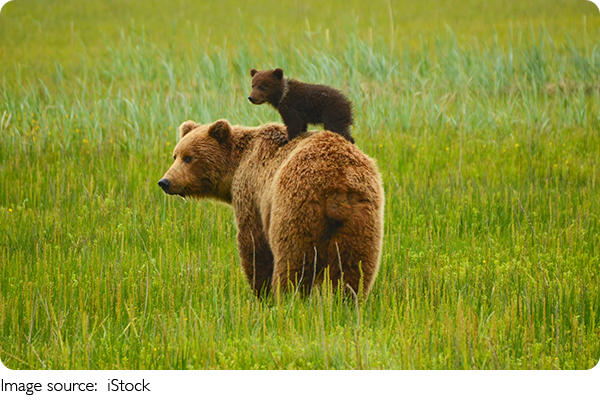
The brown bear stands as a symbol of the untamed wild. Its adaptability, strength, and intelligence make it one of nature’s most impressive mammals. Understanding the life of a brown bear requires more than just surface-level knowledge, it calls for an appreciation of its unique characteristics and its critical role in the ecosystem!
Interesting Brown Bear Facts – Documentary Video for e-Learning and Education
Video by Animal facts by Datacube