Alpacas: Surprising Truths!

Caroll Alvarado
| 22-09-2026
 · Animal Team
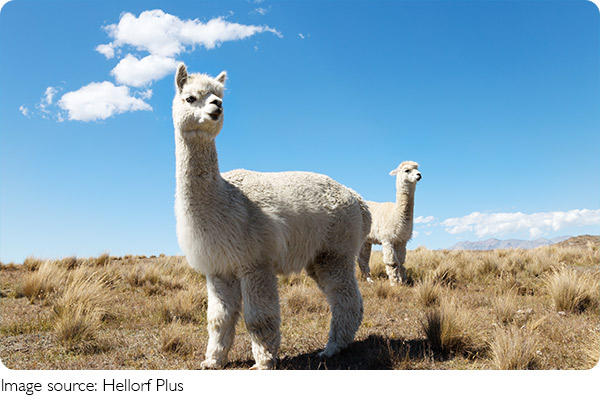
Alpacas belong to the camel family, alongside llamas, guanacos, vicuñas, and camels. Native to South America, they have lived alongside people in the Andes for thousands of years, where their remarkably soft fiber became an important resource.
With their soft tufts, graceful necks, wide-eyed innocence, and playful grins, alpacas have earned a spot as the darlings of the ungulate world. On top of that, alpacas have some fascinating personality traits. Here are a few things you might not know about these adorable creatures.
An Ancient Partnership With People
Alpacas were domesticated by Andean peoples more than 6,000 years ago, long before the rise of the Inca Empire. By the time the Inca civilization flourished, raising camelids and producing textiles from their fiber had become an important part of life in the Andes.
Today, alpacas remain closely associated with countries such as Peru and Bolivia, but they are now raised much farther afield. Herds can be found across North America, Europe, Australia, and other regions, where the animals are kept primarily for their fiber.
Alpacas can also live for around 15 to 20 years with appropriate care, making them a considerable long-term commitment for anyone interested in keeping them.
Their Famous Fleece Comes in Two Styles
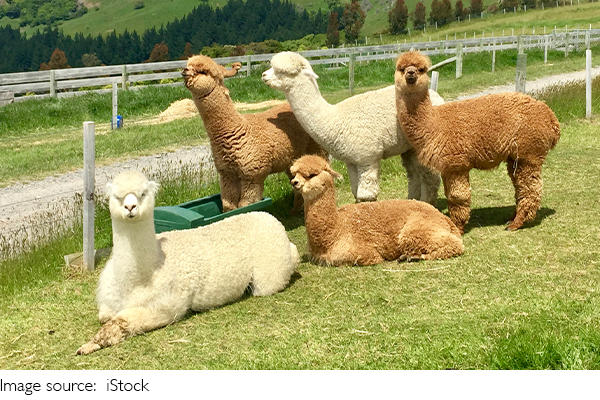
There are two main types of alpaca: Huacaya and Suri. Huacayas have dense, fluffy fleece with a crimped appearance, creating the familiar “teddy bear” look associated with alpacas. Suris look quite different, with longer fibers that hang down in distinctive locks.
Alpaca fiber is valued for its softness, durability, and availability in many natural shades, including white, brown, gray, and black. It also contains little to no lanolin, the waxy substance commonly associated with sheep's wool.
The fleece is generally shorn once a year and can be turned into clothing, blankets, and other textiles. Its quality varies among animals and even within the same animal, so not every handful of alpaca fleece has exactly the same characteristics.
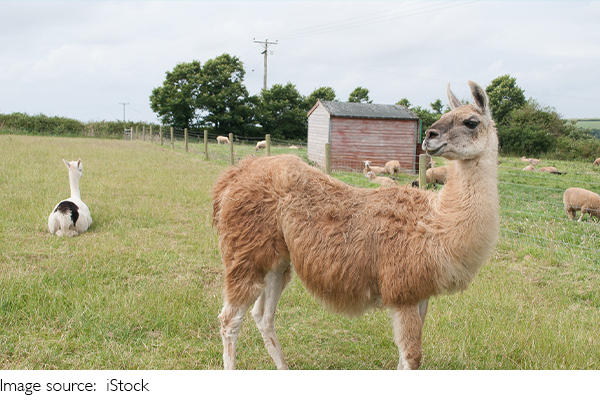
Alpacas can even reproduce with their larger relatives, llamas. The resulting hybrid is commonly called a huarizo and can display characteristics inherited from both parents.
A Baby Alpaca Is a Cria
Alpacas usually give birth to a single baby, known as a cria, rather than producing a litter. Twins are possible but uncommon.
A newborn cria is remarkably small compared with its mother and usually gets onto its feet relatively soon after birth. During its first months, it depends on its mother for milk while gradually beginning to graze and explore alongside the herd. Young alpacas are generally weaned at around six months, although the exact timing can vary.
Alpacas are strongly social animals, so life within a herd is important well beyond infancy. They communicate through body posture, vocalizations, and other behaviors, and keeping an alpaca completely alone does not meet its normal social needs.
They Have Communal Toilets
Perhaps one of the most unexpected things about alpacas is their bathroom etiquette. Rather than depositing waste randomly throughout their surroundings, members of a herd often return to shared dung piles.
Several animals may use the same designated areas, which can make cleaning and pasture management easier for their keepers. It doesn't mean alpacas should be treated as house-trained indoor pets, but it does make them surprisingly organized compared with many people's expectations of livestock.
Their calm appearance has also led some specially trained alpacas to participate in animal-assisted activities and visits to care facilities. Individual temperament matters, however, and alpacas remain herd animals with their own particular needs rather than oversized household pets.
From ancient Andean herds to modern farms around the world, alpacas have built a long relationship with people. Their valuable fleece may be what first made them famous, but their social lives, tiny crias, two very different coat types, and surprisingly orderly bathroom habits give us plenty of other reasons to find them fascinating.